
Trauma does not always remain neatly contained in the past.
Even after a difficult or overwhelming experience has ended, the mind and body may continue responding as though danger is still present. A person may feel constantly on edge, shut down under pressure, struggle to concentrate, carry persistent physical tension, or find it difficult to trust themselves and others.
These reactions are not signs of weakness. They may be signs of a nervous system that learned how to survive and has not yet rediscovered a consistent sense of safety.
At The Well of Life Center, we recognize that the effects of trauma can reach beyond thoughts and emotions. They may also influence physical comfort, movement, nervous system regulation, relationships, and spiritual well-being. That is why a whole-person approach considers the mind, body, and spirit while honoring the fact that every individual’s experience and healing process are different.
When the Experience Ends but the Response Continues
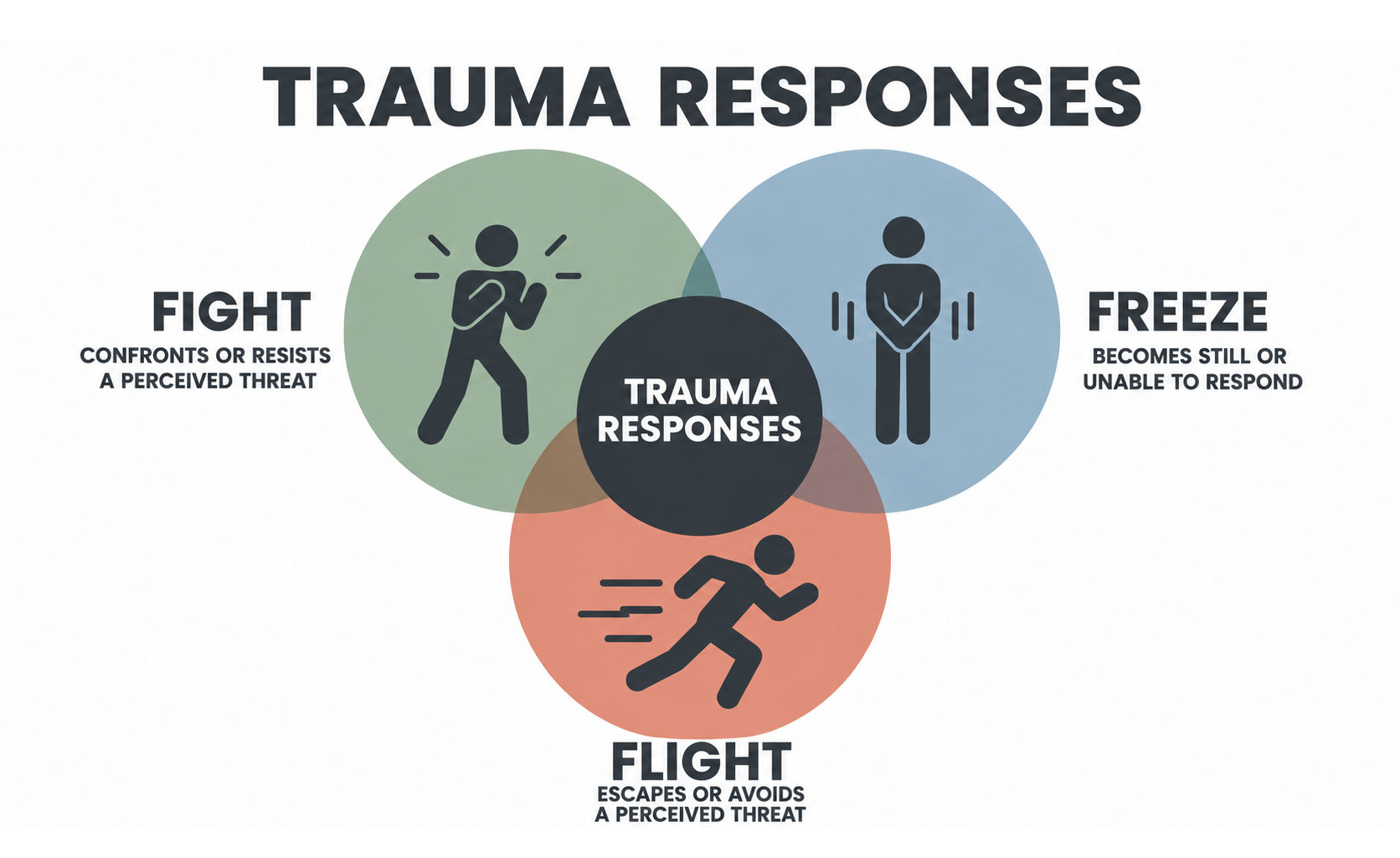
The fight, flight, or freeze response is designed to protect us when we encounter danger. It prepares the body to act quickly by changing our breathing, heart rate, muscle tension, attention, and other automatic functions.
During a true threat, this response can be lifesaving. Following trauma, however, the nervous system may remain highly alert or react strongly to situations that resemble the original experience. Someone may intellectually understand that they are safe while their body continues to respond as if they are not.
This can look different for everyone. Some people experience anxiety, irritability, racing thoughts, or an exaggerated startle response. Others feel numb, disconnected, exhausted, immobilized, or unable to think clearly under stress. Physical discomfort, guarded movement, muscle tension, sleep difficulties, and digestive concerns may also become part of the person’s broader health picture.
Trauma-informed support does not ask, “Why can’t you just move on?” It asks a more compassionate question: “What may your mind and body still be trying to protect you from?”
Trauma Can Affect the Whole Person
Trauma is often discussed as a mental or emotional experience, but its effects may be much broader. The Substance Abuse and Mental Health Services Administration notes that traumatic experiences can affect a person’s functioning and physical, emotional, social, and spiritual well-being.
This is why healing may require more than talking about what happened. Talk therapy and care from licensed mental-health professionals can be essential parts of recovery. Complementary wellness services may provide additional support by helping individuals address cognitive challenges, emotional patterns, physical tension, nervous system regulation, and other factors influencing their overall well-being.
Rather than following one standard protocol, a whole-person approach listens to the wisdom of the body and considers what each individual needs at that point in their journey.
Supporting Cognitive Function
When the nervous system is focused on survival, concentration, learning, decision-making, and problem-solving may become more difficult. Emotions can feel overwhelming, thoughts may become repetitive, and a person may struggle to access the clear thinking they know they are capable of.
Cognitive support is not about erasing memories or forcing positive thoughts. It is about supporting healthier communication and integration within the brain so that a person may feel better equipped to focus, process information, make decisions, and respond to daily challenges.
Depending on the individual’s needs, this area of support may include:
- Brain Integration Technique (BIT): A non-invasive approach intended to support neurological integration, learning, focus, and the brain’s ability to process information more efficiently.
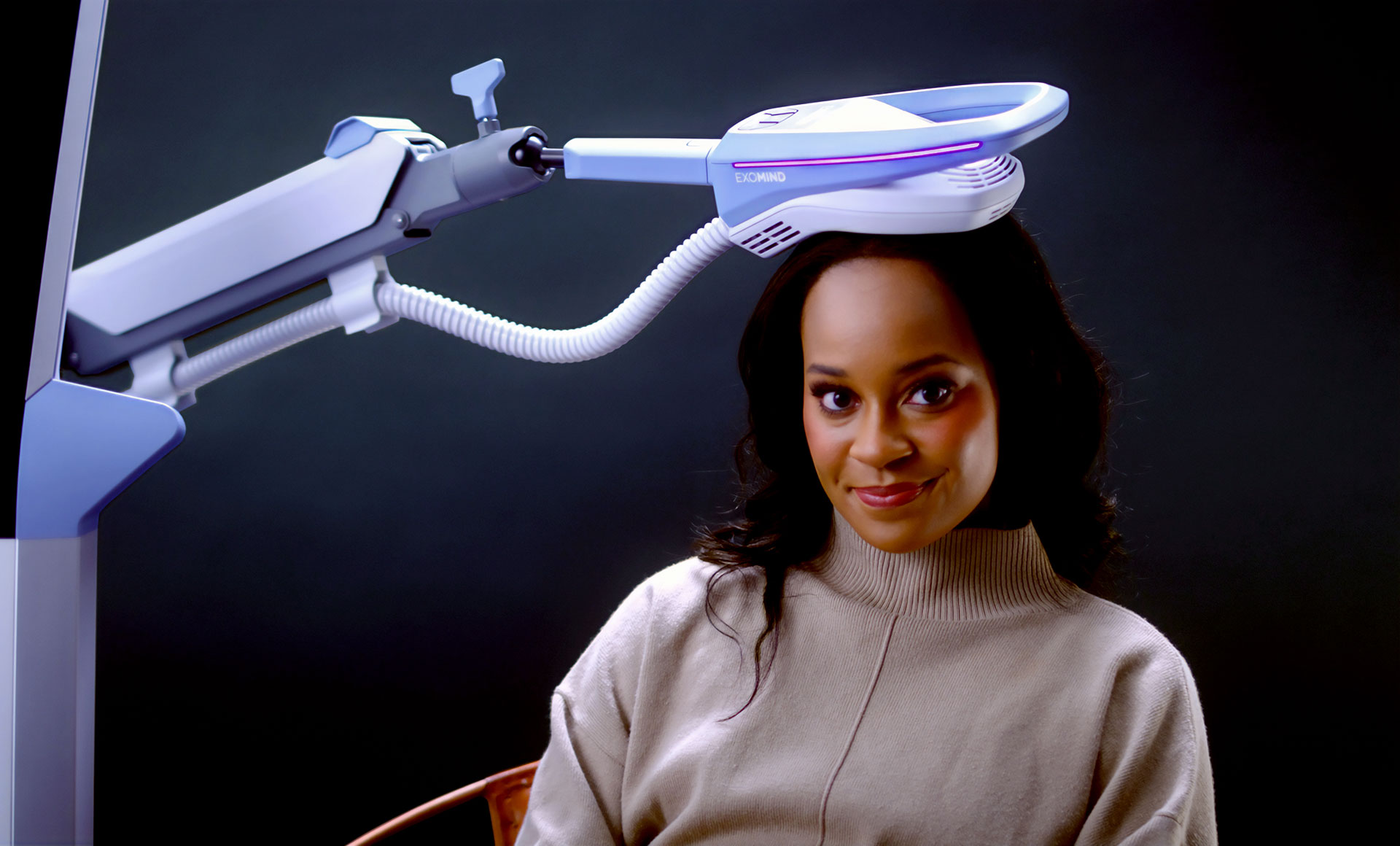
- EXOMIND: Available through Well EmSpa, this non-invasive technology is designed to stimulate areas of the brain involved in mood and cognitive function. It may be considered as part of a broader wellness plan after an appropriate consultation.
The goal is not perfection. It is to help individuals feel more capable of trusting their minds and participating more fully in school, work, relationships, and everyday life.
EXOMIND®
Supporting Emotional Regulation
Trauma can shape how a person interprets and responds to the world around them. A sound, expression, situation, or feeling may activate an emotional or physiological reaction before the conscious mind has time to understand what is happening.
These reactions may affect a person’s ability to feel safe, trust others, form healthy connections, or remain grounded during conflict and stress. Someone may also develop patterns of avoidance, self-protection, or emotional shutdown that once served a purpose but now interfere with the life they want to live.
Emotional support focuses on understanding these responses without shame and helping the nervous system develop a greater capacity for regulation and safety.
Approaches may include:
- Brain Integration Technique: May be used to support communication among areas of the brain involved in emotional processing and regulation.
- Splankna Therapy: A Christian, mind-body protocol that seeks to help individuals explore emotional roots and patterns within a faith-based framework.
- Vagus nerve and nervous system support: BIT and other individualized practices may be used to encourage regulation and help the body move more readily out of a prolonged protective state.
Over time, this work may support new understanding, healthier perspectives, stronger social connections, and a growing sense of hope, peace, and trust in oneself.
Supporting the Physical Body
Stress is not experienced only through thoughts. The body may communicate it through tight muscles, restricted movement, shallow breathing, fatigue, discomfort, headaches, digestive changes, or difficulty settling into rest.
Physical support can help address patterns of tension and guarding while encouraging movement, relaxation, circulation, lymphatic flow, and nervous system regulation. The purpose is not to claim that every physical symptom is caused by trauma. It is to recognize that physical and emotional well-being are closely connected and may need to be supported together.
Based on the individual’s history, comfort, and needs, supportive services may include:
- BIT Muscle Reactivation to support muscle communication, coordination, and movement patterns.
- Nutritional Response Testing or Autonomic Response Testing (NRT/ART) to explore nutritional needs and other stressors that may be affecting overall wellness.
- Craniosacral Fascial Therapy (CFT) to gently address fascial tension and encourage freer movement throughout the body.
- Flowpresso® and Electro-Lymphatic Therapy to support relaxation, circulation, and lymphatic flow.
- Massage therapy, available through The Well’s Spa, to help reduce muscular tension and encourage relaxation.
- Gentle movement and intentional breathing practices when appropriate for the individual’s needs and sense of safety.
For someone affected by trauma, feeling safe within the body can take time. Physical approaches should always respect personal boundaries, consent, and the individual’s readiness.
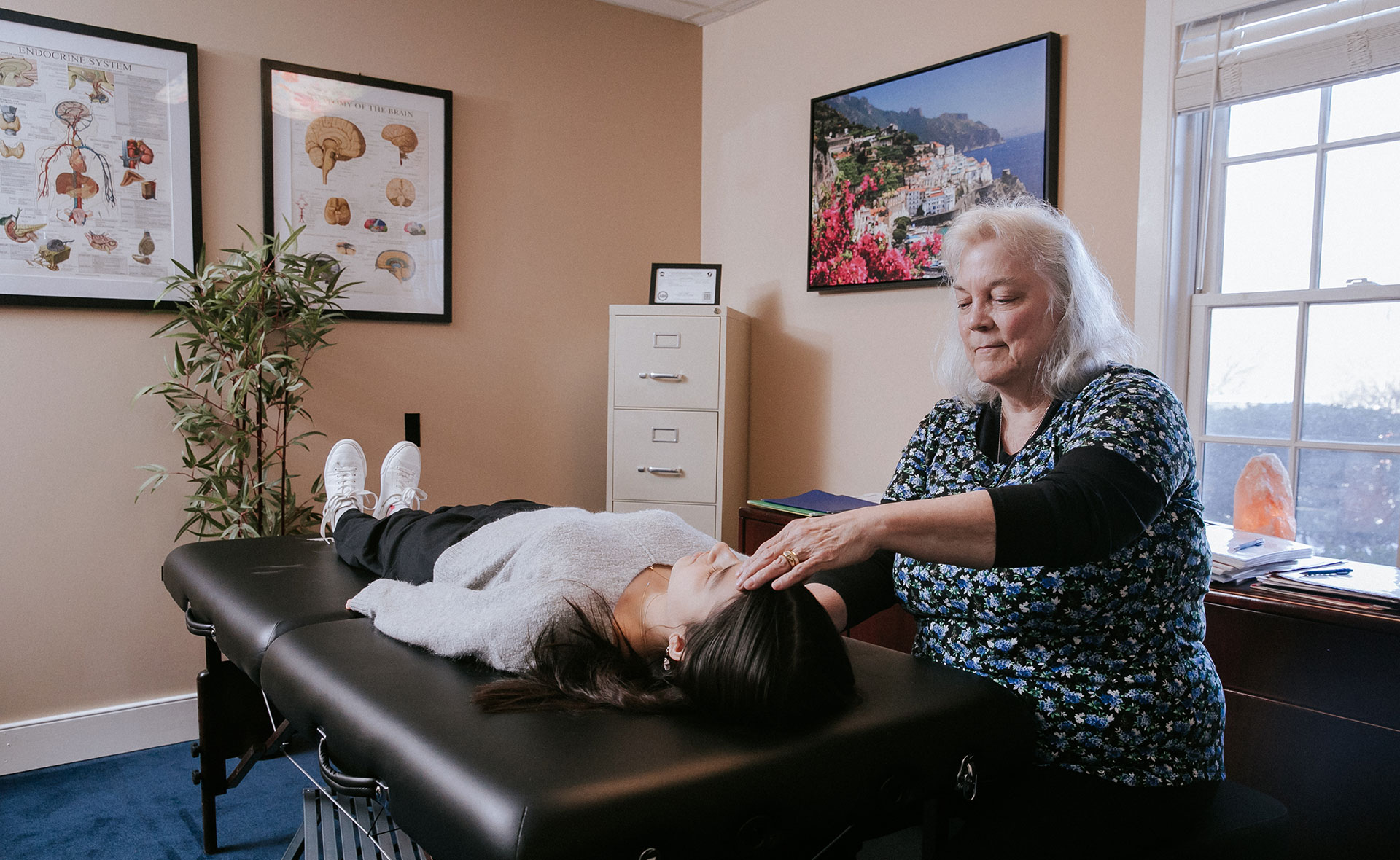
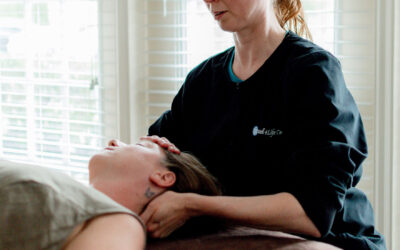
Brain Integration Technique being performed.
Making Space for the Spirit
Trauma may also affect a person’s sense of identity, meaning, trust, connection, and hope. Some people wrestle with spiritual questions or feel disconnected from beliefs that once gave them strength.
At The Well of Life Center, we believe the spiritual dimension of healing deserves care and respect. For clients who desire a faith-based approach, services such as Splankna can create space to explore emotional patterns through a Christian perspective. This part of the journey may involve rebuilding hope, rediscovering meaning, and remembering that an experience is part of a person’s story, but it does not have to define their identity or future.
Looking Beyond a Single Symptom
No two people respond to trauma in exactly the same way. Health history, nutrition, hydration, sleep, environmental stressors, hormonal function, physical health, and other individual factors may influence how someone feels and how their body responds to support.
That is why The Well does not assume that one symptom has one universal cause. Through individualized assessment, we look at the broader picture and consider whether there may be additional areas in need of support. When concerns fall outside our scope, we encourage clients to work with the appropriate medical or mental-health professionals.
This collaborative approach is especially important for those who experienced childhood trauma or abuse. The effects can be complex and far-reaching, and healing often unfolds gradually. There is no deadline and no single correct path.
Healing Can Happen Step by Step
Whole-person trauma support is not about forcing the mind or body to let go. It is about listening carefully, creating a greater sense of safety, and choosing support according to what the individual needs.
Progress may appear in small but meaningful ways: responding to stress with greater calm, thinking more clearly, moving with less tension, forming healthier connections, trusting yourself more deeply, or beginning to feel hopeful about what comes next.
You do not have to address every layer at once. Step by step, the mind, body, and spirit can receive the support they need to move toward greater balance, function, and well-being.
If you are wondering whether a whole-person approach could complement your current care, contact The Well of Life Center. Our team can listen to what you are experiencing, help you understand the supportive services available, and guide you toward an appropriate place to begin.
The services described in this article are complementary wellness approaches and are not substitutes for medical care, psychotherapy, trauma counseling, or treatment from a licensed mental-health professional. The Well of Life Center does not diagnose or treat post-traumatic stress disorder or other mental-health conditions. If you are experiencing severe distress, thoughts of self-harm, or a mental-health crisis, call or text 988 to reach the Suicide & Crisis Lifeline or seek immediate professional care.








0 Comments